
Carpet is one of the world’s oldest and most enduring flooring solutions. While today it is a staple product across residential and commercial interiors, its origins stretch back thousands of years. Understanding this history is not just interesting — it also highlights why carpet continues to be a valuable part of the flooring trade today.
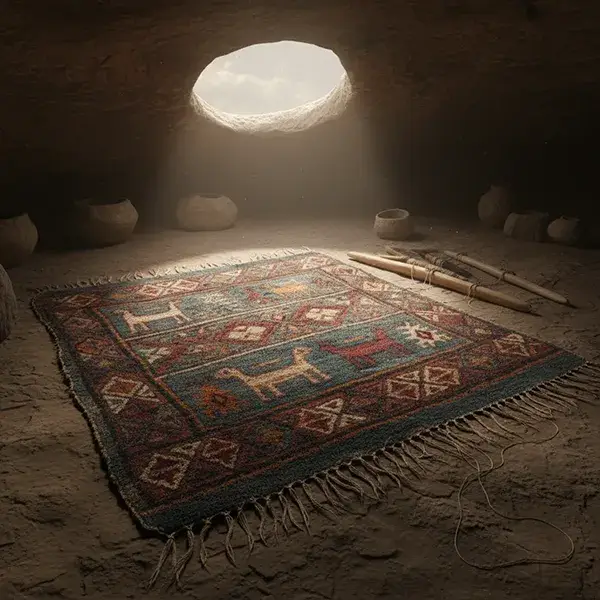
The first carpets were handwoven by nomadic tribes in Central Asia and the Middle East. Made from wool, goat hair, and camel hair, these rugs were practical solutions for cold climates, providing warmth and comfort. They were also portable, suiting the lifestyle of nomadic communities.
One of the oldest surviving examples, the Pazyryk Carpet (c. 500 BC), shows that even at this early stage carpets were more than just functional — they were a demonstration of skill, creativity, and status.
As weaving techniques advanced, carpets became highly prized trade goods. Persian and Turkish carpets, with their intricate designs, were exported across the Silk Road, reaching Europe and Asia. For centuries, they were considered luxury items, often reserved for royalty and the wealthy.
By the 16th century, carpets began appearing in Europe as status symbols, sometimes displayed on tables and walls rather than floors. Their popularity created a demand that eventually led to European production centres in places like France and England.
For the trade, the biggest turning point came with the Industrial Revolution. Power looms and mechanised weaving made carpet production faster, more consistent, and more affordable. Manufacturing towns such as Kidderminster in the UK became synonymous with carpet making, supplying flooring to households nationwide.
This industrial shift marked carpet’s transition from luxury to mainstream, creating a sector that could sustain wholesale distribution and retail networks.
Modern carpet production is a blend of tradition and technology. Wholesale suppliers and retailers now have access to an enormous variety of ranges — from budget-friendly landlord berbers to premium saxony and twist pile collections.
Advances in fibre technology, stain resistance, and backing systems mean today’s carpets offer more choice and better performance than ever before.
Carpet’s journey — from ancient handwoven rugs to today’s mass-produced collections — underlines its staying power in the flooring market. It remains one of the most versatile, in-demand products available, appealing to a wide spectrum of customers. For merchants and stockists, carpet’s long history is a reminder that this product isn’t just a passing trend: it’s a proven flooring solution with deep cultural and practical roots.
Carpet has evolved from tribal necessity to modern wholesale essential. For those in the trade, it continues to represent reliability, variety, and strong customer demand — a product line with thousands of years of history, and a secure place in the future of flooring.

 BlogOctober 2, 2025Carpet Origins